Ever wondered what ‘B2B meaning’ really is and why it’s shaping the global economy? It’s more than just businesses selling to other businesses—it’s the backbone of modern commerce. Let’s break it down in simple, powerful terms.






Understanding the Core B2B Meaning

The term B2B meaning refers to ‘Business-to-Business’—a model where companies sell products or services to other companies, rather than to individual consumers. This model powers industries from manufacturing to software, forming the foundation of supply chains and enterprise ecosystems.
What Does B2B Stand For?
B2B stands for Business-to-Business. Unlike B2C (Business-to-Consumer), where companies sell directly to end-users, B2B transactions occur between two business entities. For example, a company that produces microchips might sell them to another company that builds smartphones.
- B2B is transactional but relationship-driven.
- It often involves long sales cycles and complex decision-making.
- Contracts, negotiations, and bulk pricing are common.
Historical Evolution of B2B
The concept of B2B isn’t new. Long before the internet, manufacturers bought raw materials from suppliers, and wholesalers distributed goods to retailers. However, the digital revolution has transformed B2B operations, making them faster, more scalable, and data-driven.
According to Forbes Tech Council, digital B2B platforms are expected to account for over 70% of all B2B transactions by 2025. This shift highlights how technology is redefining the b2b meaning in today’s economy.
“B2B is no longer just about supply chains; it’s about ecosystems, partnerships, and digital integration.” — McKinsey & Company
B2B Meaning in Modern Commerce
The b2b meaning has evolved beyond simple transactions. Today, it encompasses digital marketplaces, SaaS platforms, and enterprise solutions that drive innovation across sectors. Understanding this evolution is key to thriving in a competitive business landscape.
The Role of Technology in B2B
Technology has become the engine of B2B growth. Cloud computing, AI-driven analytics, and automated procurement systems have streamlined operations. Platforms like Salesforce B2B Commerce enable businesses to manage complex customer journeys, from lead generation to post-sale support.
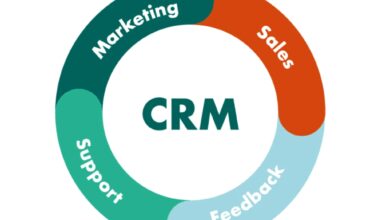
- CRM systems enhance customer relationship management.
- ERP software integrates supply chain, finance, and HR functions.
- E-commerce platforms allow 24/7 ordering and real-time inventory tracking.
B2B vs. B2C: Key Differences
While both models involve selling, the b2b meaning differs significantly from B2C in several ways:
- Audience: B2B targets professionals and organizations; B2C targets individual consumers.
- Sales Cycle: B2B often has longer, multi-stage decision processes involving procurement teams.
- Pricing: B2B uses negotiated, volume-based pricing; B2C relies on fixed retail prices.
- Marketing: B2B focuses on logic, ROI, and case studies; B2C emphasizes emotion and branding.
“In B2B, you’re not just selling a product—you’re selling a solution to a business problem.” — HubSpot
Types of B2B Business Models
The b2b meaning spans various business models, each tailored to specific industries and operational needs. Understanding these models helps businesses choose the right strategy for growth and scalability.
Manufacturer to Business (M2B)
This is one of the most traditional forms of B2B. Manufacturers produce goods and sell them to other businesses for resale or integration into their own products. For example, a steel manufacturer supplies materials to automotive companies.
- High-volume production is typical.
- Long-term contracts ensure supply chain stability.
- Quality control and compliance are critical.
Wholesaler to Business (W2B)
Wholesalers buy products in bulk from manufacturers and distribute them to retailers or other businesses. This model reduces logistics costs and improves inventory efficiency.
A classic example is a wholesale electronics distributor supplying gadgets to retail stores. According to IBISWorld, the wholesale trade industry in the U.S. generates over $6 trillion annually, underscoring the massive scale of W2B operations.
Service-Based B2B
This model involves businesses offering services to other companies. Examples include IT consulting, digital marketing agencies, and payroll processing firms.
- Revenue is often subscription-based or project-driven.
- Expertise and reputation are key differentiators.
- Client retention is crucial due to high setup costs.
“The fastest-growing segment in B2B is service-based digital solutions.” — Gartner
B2B Meaning in the Digital Age
The digital transformation has redefined the b2b meaning, making online platforms central to business operations. From e-procurement to AI-powered sales tools, digitalization is reshaping how companies interact.
Rise of B2B E-Commerce
B2B e-commerce is booming. A report by Statista estimates that global B2B e-commerce sales will exceed $20 trillion by 2027. This growth is fueled by demand for convenience, transparency, and real-time data.
- Online catalogs replace paper brochures.
- Automated reordering reduces manual work.
- Mobile access allows purchasing from anywhere.
Impact of AI and Automation
Artificial Intelligence is revolutionizing B2B operations. Chatbots handle customer inquiries, predictive analytics forecast demand, and machine learning optimizes pricing strategies.
For instance, companies like IBM use AI to enhance supply chain visibility and reduce downtime. These technologies not only improve efficiency but also deepen the strategic value of the b2b meaning.
Data-Driven Decision Making
In modern B2B, data is king. Businesses collect and analyze customer behavior, sales trends, and operational performance to make informed decisions.
- CRM systems track customer interactions.
- Analytics tools identify upsell opportunities.
- Real-time dashboards improve responsiveness.
“Data is the new currency in B2B relationships.” — Harvard Business Review
Key Players in the B2B Ecosystem
The b2b meaning is brought to life by a network of key players—suppliers, distributors, technology providers, and service firms. Each plays a vital role in ensuring smooth operations and value delivery.
Suppliers and Vendors
These are the backbone of B2B. Suppliers provide raw materials, components, or finished goods. Their reliability directly impacts production timelines and product quality.
- Long-term contracts ensure consistency.
- Vendor management systems (VMS) streamline procurement.
- Global sourcing increases competition and lowers costs.
Distributors and Resellers
Distributors act as intermediaries, moving products from manufacturers to end-businesses. Resellers, on the other hand, often add value through bundling, support, or customization.
For example, Cisco partners with resellers who not only sell networking equipment but also provide installation and training services. This model extends market reach and enhances customer experience.
Technology Enablers
Companies like SAP, Oracle, and Shopify Plus provide the digital infrastructure for B2B operations. Their platforms support everything from inventory management to customer engagement.
- Cloud-based ERP systems integrate business functions.
- APIs enable seamless data exchange between systems.
- Security and compliance features protect sensitive data.
“The future of B2B belongs to those who leverage technology to create seamless experiences.” — Deloitte
Challenges in B2B Operations
Despite its advantages, the b2b meaning comes with unique challenges. From complex sales cycles to regulatory compliance, businesses must navigate a demanding landscape.
Long Sales Cycles and Decision Complexity
B2B purchases often involve multiple stakeholders—procurement, finance, IT, and senior management. This leads to longer decision-making processes and requires tailored communication strategies.
- Sales teams must educate buyers on ROI.
- Demonstrations and trials are common.
- Follow-ups and nurturing are essential.
Customer Retention and Loyalty
Acquiring a B2B customer can cost five times more than retaining one. Therefore, building long-term relationships is critical. Loyalty programs, dedicated account managers, and value-added services help maintain engagement.
A study by Zendesk shows that 70% of B2B buyers expect personalized experiences, highlighting the need for tailored engagement.
Regulatory and Compliance Issues
B2B companies must adhere to industry-specific regulations—GDPR for data privacy, ISO standards for quality, and SOX for financial reporting. Non-compliance can result in fines, reputational damage, and contract losses.
- Regular audits ensure compliance.
- Training programs keep staff informed.
- Legal teams review contracts and policies.
“Compliance isn’t a cost—it’s a competitive advantage.” — PwC
Future Trends Shaping B2B Meaning
The b2b meaning is not static. Emerging trends like sustainability, platform economies, and hyper-personalization are redefining how businesses operate and compete.
Sustainability and Ethical Sourcing
More B2B companies are prioritizing sustainability. Buyers now consider environmental impact, carbon footprint, and ethical labor practices when choosing suppliers.
- Green certifications (e.g., ISO 14001) add credibility.
- Circular economy models reduce waste.
- Transparency in supply chains builds trust.
Platform-Based B2B Models
Platforms like Alibaba, Amazon Business, and ThomasNet connect buyers and sellers globally. These marketplaces offer searchability, reviews, and secure payment systems, making procurement easier than ever.
According to McKinsey, platform-based B2B commerce will grow at twice the rate of traditional models by 2030.
Hyper-Personalization and AI
AI enables businesses to deliver personalized content, pricing, and recommendations. For example, a B2B software vendor can use machine learning to suggest add-ons based on a client’s usage patterns.
- Dynamic pricing adjusts based on demand and customer profile.
- Personalized onboarding improves user adoption.
- AI chatbots provide instant support.
“The next frontier in B2B is not just personalization—but anticipation.” — Salesforce Research
What is the basic b2b meaning?
The basic b2b meaning is Business-to-Business, where one company sells products or services to another company. It’s a model focused on professional buyers, long-term contracts, and value-driven solutions rather than mass consumer appeal.
How does B2B differ from B2C?
B2B involves longer sales cycles, multiple decision-makers, and a focus on ROI and efficiency. B2C targets individual consumers with emotional appeals, shorter buying journeys, and standardized pricing.
What are examples of B2B companies?
Examples include Intel (sells chips to device makers), Salesforce (provides CRM software to businesses), and Grainger (supplies industrial equipment to companies).
Is B2B e-commerce growing?
Yes, B2B e-commerce is rapidly growing. Statista projects it will surpass $20 trillion by 2027, driven by digital transformation, automation, and demand for seamless procurement experiences.
Why is customer relationship important in B2B?
Strong relationships lead to repeat business, referrals, and contract renewals. In B2B, trust and reliability are paramount, as purchases are high-value and long-term.
The b2b meaning is far more than a simple acronym—it’s a dynamic, evolving model that powers global commerce. From traditional supply chains to cutting-edge digital platforms, B2B shapes how businesses operate, innovate, and grow. Understanding its core principles, challenges, and future trends is essential for any organization aiming to thrive in today’s interconnected economy. Whether you’re a startup or a multinational, embracing the depth of B2B can unlock new opportunities and sustainable success.
Further Reading: