In today’s digital-first economy, a powerful B2B website isn’t just a luxury—it’s a necessity. Whether you’re selling software, manufacturing components, or offering consulting services, your online presence shapes how partners, clients, and competitors see you. Let’s dive into what makes a B2B website truly effective.






1. Why a B2B Website Is the Backbone of Modern Business Growth

A B2B website serves as the digital headquarters for your company. Unlike B2C platforms that thrive on impulse buys, B2B websites are built for trust, credibility, and long-term relationship building. They act as a 24/7 sales representative, providing detailed information, case studies, and contact points that guide decision-makers through complex purchasing journeys.
The Strategic Role of a B2B Website in Sales Funnels
In B2B sales, the buying cycle is longer and involves multiple stakeholders. A well-structured B2B website supports every stage of this funnel—from awareness to consideration and decision-making. It delivers targeted content like whitepapers, product demos, and ROI calculators that nurture leads over time.
- Top of Funnel (TOFU): Educational blogs and industry reports attract new visitors.
- Middle of Funnel (MOFU): Comparison guides and webinars engage prospects.
- Bottom of Funnel (BOFU): Free trials, consultations, and pricing pages convert leads.
“Your B2B website is not a brochure—it’s a conversion engine.” — Neil Patel, Digital Marketing Expert
Building Credibility Through Professional Design
First impressions matter. A poorly designed B2B website can instantly undermine your company’s credibility. Professional aesthetics, intuitive navigation, and mobile responsiveness signal competence and reliability. According to HubSpot, 75% of users judge a company’s credibility based on its website design.
- Use clean, corporate-friendly color schemes (blues, grays, whites).
- Ensure fast load times (under 3 seconds).
- Include trust signals like client logos, testimonials, and security badges.
2. Key Elements That Define a High-Performing B2B Website
Not all B2B websites are created equal. The most successful ones share common features that align with user intent and business goals. These elements go beyond aesthetics—they’re functional tools designed to convert visitors into qualified leads.
Clear Value Proposition Above the Fold
The value proposition is the first thing visitors see. It must instantly communicate what your company does, who it serves, and why it’s better than competitors. A vague headline like “We Provide Solutions” fails to engage. Instead, use specific, benefit-driven language.
- Bad: “Innovative B2B Services for Growth”
- Good: “Cut Operational Costs by 40% with AI-Powered Supply Chain Analytics”
A strong value proposition reduces bounce rates and increases time-on-site, both critical SEO ranking factors.
Comprehensive Product or Service Pages
Unlike B2C sites, B2B buyers need in-depth information before making decisions. Your product pages should include technical specifications, integration capabilities, use cases, and downloadable datasheets. Consider adding interactive elements like configurators or ROI calculators.
- Detailed feature breakdowns with real-world applications.
- Embedded videos showing product in action.
- Links to related services or complementary products.
For example, Salesforce excels at this by offering demo requests directly on product pages, reducing friction in the buyer journey.
Robust Case Studies and Customer Success Stories
Social proof is critical in B2B marketing. Decision-makers want evidence that your solution works in real-world scenarios. Case studies should follow a clear structure: challenge, solution, results. Use quantifiable metrics (e.g., “Increased efficiency by 60%”).
- Include client logos and quotes from key stakeholders.
- Offer downloadable PDF versions for sharing within organizations.
- Tag case studies by industry, company size, or use case for easy filtering.
3. How to Optimize Your B2B Website for Search Engines (SEO)
Even the most beautiful B2B website won’t succeed if no one can find it. SEO is the foundation of organic visibility. Unlike B2C SEO, which often targets broad keywords, B2B SEO focuses on high-intent, long-tail queries used by professionals researching solutions.
Keyword Research for B2B Buyer Intent
Start by identifying the language your ideal customers use. Tools like Ahrefs or SEMrush help uncover phrases like “best CRM for mid-sized enterprises” or “cloud-based ERP integration services.” These keywords reflect active research, not just casual browsing.
- Map keywords to stages of the buyer’s journey.
- Target industry-specific jargon (e.g., “SaaS SLA compliance”).
- Monitor competitor keyword strategies for gaps.
On-Page SEO Best Practices for B2B Websites
Once you have your keywords, integrate them naturally into your content. Focus on title tags, meta descriptions, headers (H1, H2), and image alt text. But don’t keyword-stuff—Google penalizes unnatural usage.
- Write unique meta descriptions for every page (under 160 characters).
- Use schema markup to enhance search snippets (e.g., FAQ schema).
- Optimize URL structures (e.g., /solutions/erp-integration).
Internal linking is also crucial. Link related content to keep users engaged and distribute page authority across your site.
Technical SEO: The Hidden Engine Behind B2B Visibility
Technical SEO ensures search engines can crawl and index your site efficiently. For B2B websites, which often have complex architectures, this is especially important.
- Fix broken links and redirect 404 errors.
- Implement XML sitemaps and robots.txt files.
- Ensure mobile-friendliness and fast Core Web Vitals scores.
Google’s Search Console is a free tool to monitor and improve technical health.
4. Content Marketing Strategies That Elevate Your B2B Website
A B2B website without content is like a store without products. Content marketing drives traffic, builds authority, and nurtures leads. The key is creating content that speaks directly to the pain points and aspirations of business decision-makers.
Blogging for Thought Leadership and Lead Generation
Regular blogging positions your brand as an industry expert. Topics should address common challenges, emerging trends, and how-to guides. For example, a cybersecurity firm might publish “5 Steps to Achieve GDPR Compliance in 2024.”
- Publish at least 2-4 high-quality posts per month.
- Use data and expert quotes to boost credibility.
- Include CTAs (Call-to-Actions) like “Download Our Compliance Checklist.”
According to Content Marketing Institute, B2B companies that blog generate 67% more leads than those that don’t.
Gated Content and Lead Magnets
To capture visitor information, offer valuable gated content in exchange for contact details. This includes whitepapers, e-books, templates, and industry reports.
- Create content that solves a specific business problem.
- Use landing pages with minimal form fields (name, email, company).
- Follow up with automated email sequences.
A well-designed lead magnet can increase conversion rates by up to 30%, according to Optimizely.
Video Content and Webinars for Deeper Engagement
Video is increasingly dominant in B2B marketing. Explainer videos, customer testimonials, and live webinars help build trust and clarify complex offerings.
- Keep videos under 3 minutes for maximum retention.
- Host webinars with industry experts to boost attendance.
- Repurpose webinar recordings into blog summaries or social media clips.
Wyzowl’s 2023 report shows that 91% of B2B marketers use video, and 96% find it an effective tool.
5. Design and User Experience (UX) Principles for B2B Websites
While B2B buyers are professionals, they still expect a seamless, intuitive experience. A clunky or confusing website can derail even the most promising lead.
Navigation That Guides, Not Confuses
Your website’s navigation should reflect the buyer’s journey. Use clear, jargon-free labels like “Solutions,” “Industries,” “Resources,” and “Contact.” Avoid dropdown menus with too many options.
- Limited main menu items (5-7 max).
- Breadcrumbs for easy backtracking.
- Search bar with autocomplete functionality.
Companies like Oracle use mega-menus effectively to organize vast product portfolios without overwhelming users.
Mobile Optimization: Non-Negotiable in 2024
Over 60% of B2B research begins on mobile devices, according to Google. Your B2B website must be fully responsive, with touch-friendly buttons, readable fonts, and optimized images.
- Test on multiple devices and screen sizes.
- Avoid pop-ups that disrupt mobile browsing.
- Ensure forms are easy to fill on smartphones.
Google’s mobile-first indexing means your mobile site directly impacts search rankings.
Accessibility and Inclusivity in Web Design
An accessible B2B website isn’t just ethical—it’s smart business. It ensures all users, including those with disabilities, can access your content. This includes screen reader compatibility, keyboard navigation, and alt text for images.
- Follow WCAG 2.1 guidelines.
- Use sufficient color contrast.
- Provide transcripts for audio and video content.
Accessible sites often rank higher and reduce legal risks.
6. Integrating Lead Capture and CRM Systems into Your B2B Website
A B2B website should do more than inform—it should convert. Integrating lead capture tools and CRM systems ensures no opportunity slips through the cracks.
Strategic Placement of CTAs and Contact Forms
Call-to-actions should be visible but not intrusive. Place them contextually—after a case study, at the end of a blog post, or as sticky headers on product pages.
- Use action-oriented language: “Get a Free Demo,” “Speak to an Expert.”
- A/B test button colors, text, and placement.
- Minimize form fields to increase completion rates.
Unbounce reports that reducing form fields from 4 to 2 can boost conversions by 120%.
Live Chat and AI-Powered Chatbots
Live chat provides instant support, reducing friction for high-intent visitors. AI chatbots can qualify leads 24/7, answering FAQs and scheduling meetings.
- Use chatbots to offer relevant content (e.g., “Need a pricing guide?”).
- Route complex queries to human agents.
- Track chat interactions for sales follow-up.
According to Drift, 64% of B2B buyers expect real-time responses.
CRM Integration for Seamless Lead Management
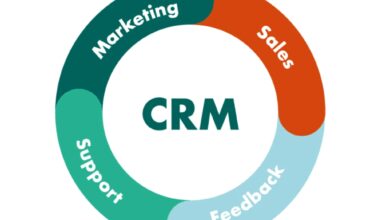
Connect your B2B website to CRM platforms like Zoho CRM or HubSpot to automate lead tracking. When a visitor downloads a whitepaper, their data flows directly into your CRM, triggering personalized follow-ups.
- Tag leads based on behavior (e.g., visited pricing page).
- Set up automated email workflows.
- Sync with marketing automation tools for scalability.
7. Measuring Success: Analytics and KPIs for Your B2B Website
You can’t improve what you don’t measure. Tracking the right metrics helps you understand performance and make data-driven decisions.
Essential KPIs for B2B Website Performance
Focus on metrics that reflect business outcomes, not just traffic.
- Conversion Rate: Percentage of visitors who complete a desired action (e.g., form submission).
- Lead Quality: How many leads turn into sales-qualified opportunities?
- Bounce Rate: High bounce rates may indicate poor content or UX.
- Time on Site: Longer durations suggest engaging content.
- Cost Per Lead (CPL): Efficiency of your marketing spend.
Google Analytics 4 (GA4) provides deep insights into user behavior and conversion paths.
Using Heatmaps and Session Recordings
Tools like Hotjar or Crazy Egg show how users interact with your site. Heatmaps reveal where people click, scroll, and linger.
- Identify dead zones where users drop off.
- Optimize button placement based on click patterns.
- Watch session recordings to spot UX frustrations.
This qualitative data complements quantitative analytics for a complete picture.
Continuous Improvement Through A/B Testing
Never assume you’ve found the perfect design or copy. A/B testing allows you to experiment with changes and measure their impact.
- Test headlines, images, CTA buttons, and page layouts.
- Run tests for statistically significant results (usually 1-2 weeks).
- Implement winning variations and iterate.
Even small tweaks—like changing a button color from green to red—can increase conversions by double digits.
What makes a B2B website different from a B2C website?
A B2B website focuses on logic, ROI, and long-term value, while B2C sites emphasize emotion and instant gratification. B2B websites typically feature detailed product specs, case studies, and lead capture forms, whereas B2C sites prioritize shopping carts and quick checkout processes.
How important is SEO for a B2B website?
Extremely important. Over 80% of B2B buyers start their journey with a search engine. A well-optimized B2B website ranks higher, attracts qualified traffic, and generates leads without paid advertising.
What is the ideal conversion rate for a B2B website?
The average conversion rate for B2B websites is around 2-5%. However, this varies by industry and traffic source. High-performing sites can achieve 10% or more through targeted content and optimized UX.
Should I include pricing on my B2B website?
It depends. If your pricing is straightforward, displaying it builds transparency. For complex or customized solutions, use a “Request a Quote” CTA instead. Some companies use tiered pricing with starting prices to set expectations.
How often should I update my B2B website?
Regular updates are crucial. Refresh content quarterly, update case studies annually, and conduct full UX audits every 12-18 months. Technology and buyer expectations evolve rapidly—your website should too.
A powerful B2B website is more than a digital brochure—it’s a strategic asset that drives growth, builds trust, and converts visitors into loyal clients. By focusing on clear messaging, SEO, user experience, and data-driven optimization, you can create a platform that not only meets but exceeds the demands of today’s business buyers. The journey doesn’t end at launch; continuous testing, learning, and refining are key to long-term success. Start building your ultimate B2B website today and watch your business soar.
Further Reading: