Running a small business is no small feat. With limited resources and endless tasks, staying on top of customer relationships can feel overwhelming. That’s where a CRM system for small business comes in—your secret weapon to streamline sales, boost customer satisfaction, and grow smarter.

What Is a CRM System for Small Business?

A CRM (Customer Relationship Management) system is a digital tool that helps businesses manage interactions with current and potential customers. For small businesses, it’s not just a luxury—it’s a necessity for staying competitive in today’s fast-paced market.
Defining CRM in Simple Terms
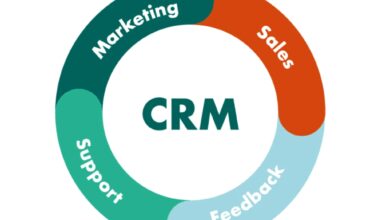
Think of a CRM system as a centralized hub where all your customer data lives. From contact details and purchase history to support tickets and email conversations, everything is stored in one accessible place. This eliminates the chaos of scattered spreadsheets and sticky notes.
- Tracks every customer interaction across multiple channels
- Automates repetitive tasks like follow-up emails
- Provides insights into customer behavior and sales trends
According to Salesforce, companies using CRM see a 36% increase in customer satisfaction and a 34% improvement in sales productivity.
Why Small Businesses Need CRM
Many small business owners assume CRM systems are only for large enterprises. But the truth is, small teams benefit the most. Without a formal structure, customer data often gets lost, leads fall through the cracks, and follow-ups are inconsistent.
“A CRM system for small business isn’t about complexity—it’s about clarity.”
By adopting a CRM early, startups and SMEs build scalable processes that grow with them. Whether you’re a solopreneur or a team of ten, organizing customer relationships gives you a professional edge.
Top 7 Benefits of a CRM System for Small Business
Implementing a CRM isn’t just a tech upgrade—it’s a strategic move that transforms how you operate. Here are seven powerful benefits every small business should know.
1. Centralized Customer Data
One of the biggest challenges for small businesses is managing customer information across emails, phones, and notebooks. A CRM system consolidates all this data into a single, searchable database.
- Access customer history instantly during calls or meetings
- Track communication logs, preferences, and past purchases
- Reduce errors caused by manual data entry
This centralized approach ensures no client feels forgotten. When a customer calls, you already know their story—creating a personalized experience that builds loyalty.
crm system for small business – Crm system for small business menjadi aspek penting yang dibahas di sini.
2. Improved Sales Pipeline Management
Sales pipelines can get messy fast, especially when relying on memory or spreadsheets. A CRM system for small business provides a visual representation of where each lead stands—prospect, negotiation, closing, or won.
- Monitor deal stages with drag-and-drop interfaces
- Set automated reminders for follow-ups
- Forecast revenue based on real-time pipeline data
Tools like Zoho CRM offer intuitive dashboards that help small teams prioritize high-value opportunities and close deals faster.
3. Enhanced Customer Service
Great service starts with knowing your customer. A CRM system tracks every support request, response time, and resolution, ensuring no ticket slips through the cracks.
- Assign support tickets to team members automatically
- Log customer feedback for future improvements
- Respond faster with pre-saved responses and templates
According to Help Scout, 93% of customers are likely to make repeat purchases with companies that offer excellent service. A CRM helps you deliver exactly that.
4. Automation of Repetitive Tasks
Time is your most valuable asset. A CRM system for small business automates routine tasks like sending welcome emails, scheduling follow-ups, and updating contact records.
- Save hours every week on administrative work
- Trigger workflows based on customer actions (e.g., after a purchase)
- Reduce human error in data management
For example, when a new lead signs up via your website, the CRM can automatically add them to your email list, send a thank-you message, and assign a sales rep—all without lifting a finger.
5. Better Team Collaboration
When everyone works in silos, customer experience suffers. A CRM breaks down those walls by giving your entire team access to the same information.
- Share notes, tasks, and files within customer profiles
- Tag teammates for input or handoffs
- Track team performance with built-in reporting
This transparency fosters accountability and ensures smooth transitions—especially important if someone is on leave or managing multiple clients.
6. Data-Driven Decision Making
Gut feelings don’t scale. A CRM system provides real-time analytics that help you understand what’s working and what’s not.
crm system for small business – Crm system for small business menjadi aspek penting yang dibahas di sini.
- Generate reports on sales performance, lead conversion, and customer retention
- Identify top-performing products or services
- Spot trends in customer behavior to refine marketing strategies
With dashboards that update in real time, you can make informed decisions quickly—whether it’s adjusting pricing, launching a new campaign, or reallocating resources.
7. Scalability for Future Growth
One of the most underrated benefits of a CRM system for small business is its ability to grow with you. As your customer base expands, your CRM scales seamlessly.
- Add new users and permissions as your team grows
- Integrate with other tools like email marketing, accounting, and e-commerce platforms
- Customize fields and workflows to match evolving business needs
Unlike spreadsheets that become unwieldy, CRM platforms are built for expansion. You won’t need to overhaul your system every time you hit a milestone.
How to Choose the Right CRM System for Small Business
Not all CRM systems are created equal. Picking the right one depends on your industry, team size, budget, and specific goals. Here’s how to make a smart choice.
Assess Your Business Needs
Start by identifying your pain points. Are you losing leads? Struggling with follow-ups? Need better reporting? List your top three challenges to guide your selection.
- Do you need email integration?
- Is mobile access important?
- Do you require automation or AI features?
For example, a consulting firm might prioritize appointment scheduling, while an e-commerce store may need deep integration with Shopify.
Compare Pricing and Features
Most CRM platforms offer tiered pricing. While free versions exist (like HubSpot CRM), they often lack advanced features. Evaluate what you get at each price point.
- Free: Basic contact management, limited automation
- Starter ($10–$25/user/month): Email tracking, deal pipelines, basic reporting
- Professional ($30–$50/user/month): Advanced automation, custom workflows, integrations
Check out G2’s CRM comparison tool to see side-by-side feature breakdowns.
Check Integration Capabilities
Your CRM shouldn’t exist in isolation. It should connect seamlessly with tools you already use—like Gmail, Outlook, Slack, QuickBooks, or WordPress.
crm system for small business – Crm system for small business menjadi aspek penting yang dibahas di sini.
- Look for native integrations or API access
- Ensure two-way data sync to avoid duplication
- Test integration during free trials
For instance, syncing your CRM with Mailchimp allows you to segment audiences and run targeted campaigns directly from customer data.
Top 5 CRM Systems for Small Business in 2024
With so many options available, it’s easy to get overwhelmed. Here are five of the best CRM systems for small business, based on usability, features, and value.
1. HubSpot CRM
HubSpot offers a powerful free CRM that’s perfect for startups and growing businesses. Its user-friendly interface and robust features make it a top choice.
- Free forever plan with contact, deal, and task management
- Email tracking and scheduling
- Integration with over 1,000 apps
Learn more at HubSpot CRM.
2. Zoho CRM
Zoho CRM is highly customizable and packed with AI-powered features like Zia (its virtual assistant). It’s ideal for businesses that want flexibility without complexity.
- Drag-and-drop workflow builder
- Sales signals notify you of key customer actions
- Strong mobile app for on-the-go access
Explore Zoho at Zoho CRM.
3. Salesforce Essentials
Salesforce, the industry leader, offers a simplified version for small businesses. It’s cloud-based, scalable, and packed with enterprise-grade features.
- Pre-built templates for common industries
- Real-time collaboration tools
- Advanced reporting and forecasting
Visit Salesforce Essentials for details.
4. Insightly
Insightly stands out for its project management features, making it perfect for service-based businesses like agencies or consultants.
crm system for small business – Crm system for small business menjadi aspek penting yang dibahas di sini.
- Link projects to customer records
- Visualize workflows with Kanban boards
- Strong contact relationship mapping
Check it out at Insightly.
5. Freshsales (by Freshworks)
Freshsales combines CRM with built-in phone, email, and chat capabilities. It’s great for sales teams that want everything in one place.
- AI-based lead scoring
- Click-to-call and voicemail drop
- Activity-based selling insights
Learn more at Freshsales.
Common CRM Implementation Mistakes to Avoid
Even the best CRM system for small business can fail if implemented poorly. Here are common pitfalls and how to avoid them.
Skipping Proper Training
Many businesses rush into CRM adoption without training their team. This leads to low adoption and wasted investment.
- Provide hands-on training sessions
- Create simple user guides or video tutorials
- Appoint a CRM champion to support others
According to Nucleus Research, companies that invest in training see a 3x higher ROI from their CRM.
Over-Customizing Too Early
While customization is powerful, overdoing it early can complicate the system and slow down adoption.
- Start with default settings and proven workflows
- Gradually add custom fields and automation as needed
- Test changes in a sandbox environment first
Keep it simple at first—complexity can come later when you understand your usage patterns.
Ignoring Data Quality
A CRM is only as good as the data it contains. Poor data quality leads to inaccurate reports and missed opportunities.
crm system for small business – Crm system for small business menjadi aspek penting yang dibahas di sini.
- Deduplicate contacts regularly
- Set validation rules for data entry
- Import clean, organized data from the start
Use tools like Import.io or built-in deduplication features to maintain data hygiene.
How to Get the Most Out of Your CRM System for Small Business
Implementing a CRM is just the beginning. To truly unlock its value, you need a strategy for ongoing optimization.
Set Clear Goals and KPIs
Define what success looks like. Is it increasing lead conversion by 20%? Reducing response time to under 2 hours? Setting KPIs keeps your team focused.
- Track metrics like lead response time, deal closure rate, and customer retention
- Review performance weekly or monthly
- Adjust strategies based on insights
Use your CRM’s reporting tools to visualize progress and celebrate wins.
Encourage Team Adoption
No matter how great your CRM is, it won’t help if your team doesn’t use it. Foster a culture of adoption through incentives and support.
- Involve team members in the selection process
- Recognize and reward consistent usage
- Address concerns and feedback promptly
When employees see how the CRM makes their jobs easier, adoption naturally follows.
Leverage Automation and AI
Modern CRM systems come with AI-powered features like predictive lead scoring, sentiment analysis, and chatbots.
- Use AI to prioritize high-intent leads
- Automate routine follow-ups and data entry
- Deploy chatbots for 24/7 customer support
These tools not only save time but also improve accuracy and customer experience.
Future Trends in CRM for Small Businesses
The CRM landscape is evolving fast. Staying ahead of trends ensures your business remains competitive and agile.
crm system for small business – Crm system for small business menjadi aspek penting yang dibahas di sini.
AI and Predictive Analytics
AI is no longer just for big corporations. Small businesses can now leverage machine learning to predict customer behavior, recommend next steps, and automate decision-making.
- Predict which leads are most likely to convert
- Forecast sales trends based on historical data
- Personalize marketing messages at scale
Platforms like HubSpot and Salesforce are already integrating AI deeply into their CRM offerings.
Mobile-First CRM Solutions
With remote work and field sales on the rise, mobile access is critical. Future CRM systems will prioritize mobile experiences with offline access, voice commands, and augmented reality.
- Update records from anywhere
- Scan business cards directly into the CRM
- Receive real-time notifications on the go
Invest in a CRM with a robust mobile app to stay connected no matter where you are.
Integration with E-Commerce and Social Media
Customers interact across multiple platforms—your CRM should too. Future systems will offer deeper integration with Shopify, Instagram, Facebook, and WhatsApp.
- Track social media interactions within customer profiles
- Sync e-commerce purchase data automatically
- Run targeted ad campaigns based on CRM segments
This omnichannel approach ensures a seamless customer journey from first touch to repeat purchase.
What is a CRM system for small business?
A CRM system for small business is a software tool that helps manage customer interactions, track sales leads, automate marketing, and improve customer service—all in one centralized platform.
Is a CRM worth it for small businesses?
crm system for small business – Crm system for small business menjadi aspek penting yang dibahas di sini.
Yes. A CRM system for small business increases efficiency, improves customer retention, and drives sales growth. Even solopreneurs can benefit from organized customer data and automation.
What is the best free CRM for small business?
HubSpot CRM offers the most robust free plan, including contact management, deal tracking, email integration, and reporting—ideal for startups and small teams.
How much does a CRM cost for a small business?
Prices range from free (HubSpot) to $50/user/month for advanced features. Most small businesses spend between $10–$30 per user per month.
Can I integrate my CRM with other tools?
Absolutely. Most CRM systems for small business integrate with email, calendars, accounting software, and e-commerce platforms via native connectors or APIs.
Choosing the right CRM system for small business is one of the smartest investments you can make. It brings order to chaos, empowers your team, and puts the customer at the heart of everything you do. From centralized data and automated workflows to powerful analytics and AI-driven insights, a CRM is no longer optional—it’s essential. Start small, stay consistent, and watch your business grow with clarity, confidence, and control.
crm system for small business – Crm system for small business menjadi aspek penting yang dibahas di sini.
Further Reading: